

Inviting Ellen Chen, co-founder of Mendocino Farms, to be a part of our community of founders and share her entrepreneurial wisdom and personal style secrets felt like an immediate natural fit for Frank & Eileen. Below, Ellen shares her thoughts on leading with empathy, timeless pieces, and the deeply personal immigrant story that keeps her grounded.
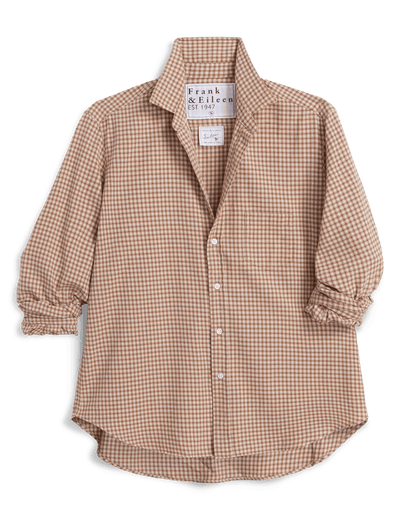
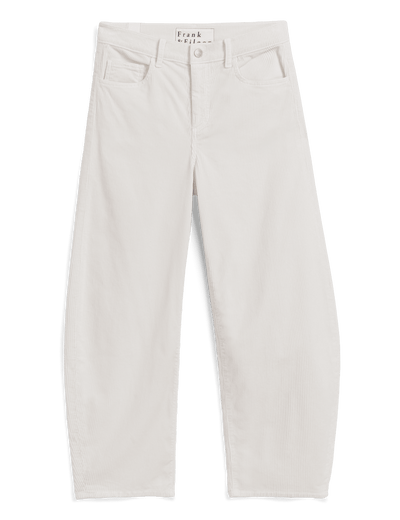
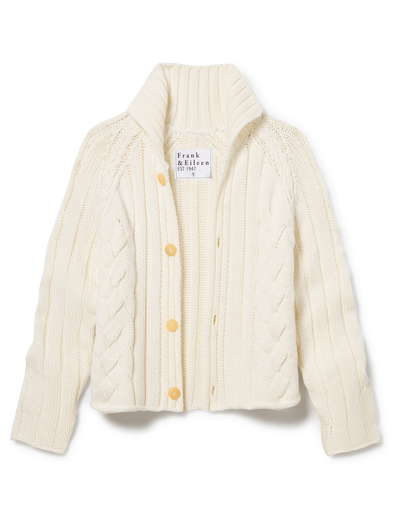
SHOP ELLEN'S PICKS








OUR CHAT WITH ELLEN CHEN
Ellen Chen co-founded Mendocino Farms and now spends her time investing, advising, and opening doors for other female founders. Her family immigrated from Taiwan when she was a young child, an experience she still calls her steadiest source of grounding. We sat down for a cuppa with Ellen to learn more about mentorship, comfort without compromise, and why women-led businesses continuously outperform expectations.


ELLEN: My favorite way to support women founders is by opening doors. Throughout my career, I experienced firsthand how difficult it can be to gain access as a woman and as a person of color. So many opportunities in business happen behind closed doors, through networks, introductions, and relationships, and not everyone starts with the same level of access. Today, in this chapter of my life and career, I feel a responsibility to do the same for others. Sometimes that means investing capital, but more often it means sharing my network, making introductions, helping founders prepare for important conversations, or simply being a sounding board during a difficult season.
My advice is simple: don’t wait until you’ve “made it” to support another woman. Open the door, make the introduction, share the opportunity. The collective power of women helping women is one of the most underestimated forces in business.
ELLEN: My favorite way to support women founders is by opening doors. Throughout my career, I experienced firsthand how difficult it can be to gain access as a woman and as a person of color. So many opportunities in business happen behind closed doors, through networks, introductions, and relationships, and not everyone starts with the same level of access. Today, in this chapter of my life and career, I feel a responsibility to do the same for others. Sometimes that means investing capital, but more often it means sharing my network, making introductions, helping founders prepare for important conversations, or simply being a sounding board during a difficult season.
My advice is simple: don’t wait until you’ve “made it” to support another woman. Open the door, make the introduction, share the opportunity. The collective power of women helping women is one of the most underestimated forces in business.
F&E: What are you juggling right now that people don’t see?
ELLEN: Like many women, I’m constantly balancing multiple identities. People often see the entrepreneur, investor, or board member, but behind the scenes I’m also a wife, daughter, friend, and mom.
This year has been especially meaningful because my daughter graduated from high school and is preparing for her next chapter. As a parent, you’re celebrating their independence while quietly grieving the end of an era. At the same time, I’m supporting founders, serving on boards, exploring new business opportunities, and thinking about what my own next chapter looks like.
The truth is that life is rarely balanced. It’s more like a constant negotiation between what matters most in the moment.
F&E: What did you believe early on in your entrepreneurship that turned
out to be wrong?
ELLEN: I used to believe that success came from having all the answers. When we started Mendocino Farms, I thought great leaders were supposed to be the smartest people in the room. Over time, I learned the opposite is true. The best leaders ask questions, stay curious, and surround themselves with people who know more than they do.
I also believed that growth would solve problems. In reality, growth often magnifies them. Culture, values, and people matter far more than scale. Looking back, our greatest advantage wasn’t our sandwiches; it was the culture we built and the people who helped bring our mission to life.
F&E: What does your workspace actually look like right now?
ELLEN: There are notebooks filled with ideas, founder decks waiting to be reviewed, books stacked on leadership and entrepreneurship, and usually a cup of coffee nearby. You’ll also find family photos and reminders of what’s most important outside of work.
One thing that’s changed over the years is that I don’t need a corner office to feel productive. Some of my best conversations happen over coffee with a founder, walking my dogs around the neighborhood, or sitting at my kitchen table. I’ve learned that inspiration doesn’t always happen behind a desk.


ELLEN: My busy weeknight secret is an organic rotisserie chicken from Whole Foods. It’s one of those simple staples that can become multiple meals. I’ll shred the chicken for tacos, toss it into a salad, or add it to a grain bowl, depending on what everyone is in the mood for. I never let the bones go to waste; I use them to make a homemade broth that becomes the foundation for soups later in the week.
After years in the restaurant business, I’ve learned that great meals don’t have to be complicated. Having a few quality ingredients on hand makes it easier to put something nourishing on the table, even on the busiest days.
ELLEN: My busy weeknight secret is an organic rotisserie chicken from Whole Foods. It’s one of those simple staples that can become multiple meals. I’ll shred the chicken for tacos, toss it into a salad, or add it to a grain bowl, depending on what everyone is in the mood for. I never let the bones go to waste; I use them to make a homemade broth that becomes the foundation for soups later in the week.
After years in the restaurant business, I’ve learned that great meals don’t have to be complicated. Having a few quality ingredients on hand makes it easier to put something nourishing on the table, even on the busiest days.


F&E: What would the future look like if we had exponentially more women entrepreneurs? If 50% of the companies were run by women, how would our world be different?
ELLEN: I think we’d see businesses built with a broader definition of success.
Women often approach leadership with empathy, collaboration, and long-term thinking. That doesn’t mean women lead better than men, it means they often bring different perspectives to the table.
Interestingly, the data shows that women-led businesses often outperform expectations. Studies have found that women-owned and women-led companies can generate stronger returns while operating with fewer resources and less capital. Yet women still receive a disproportionately small share of venture funding.
If more companies were founded and led by women, I believe we’d see more products and services designed for overlooked communities, more inclusive workplaces, and more businesses focused on sustainable growth rather than growth at all costs.
Most importantly, we’d create more role models. When young women can see someone who looks like them building companies, creating wealth, and leading teams, it expands their sense of what’s possible.
The real opportunity isn’t replacing one perspective with another; it’s creating a business landscape that better reflects the world we live in. If 50% of companies were run by women, we’d unlock an enormous amount of talent, innovation, and economic growth that is currently being left on the sidelines.
F&E: Looking back, if you could give your younger self one piece of advice, what would it be? Then, what piece of advice would you give someone starting their entrepreneurial journey now? (Oftentimes these two pieces of advice are quite different.)
ELLEN: To my younger self: stop worrying so much about what other people think. I spent too much time wondering if I was qualified enough, smart enough, or whether I belonged in certain rooms. The truth is that most people are figuring it out as they go.
I would also tell myself not to be so afraid of failure. Some of my greatest lessons came from the things that didn’t work out. Failure isn’t the opposite of success, it’s part of the journey. Every mistake teaches you something if you’re willing to learn from it.
To entrepreneurs starting today: be willing to take the shot before you feel ready. Don’t let perfection keep you from getting started.
Focus on solving a real problem and creating value for people. Build something you genuinely believe in and don’t be discouraged when things don’t go according to plan. Entrepreneurship is a series of experiments, and every setback is data.
The founders who ultimately succeed aren’t the ones who never fail. They’re the ones who learn, adapt, and keep going.


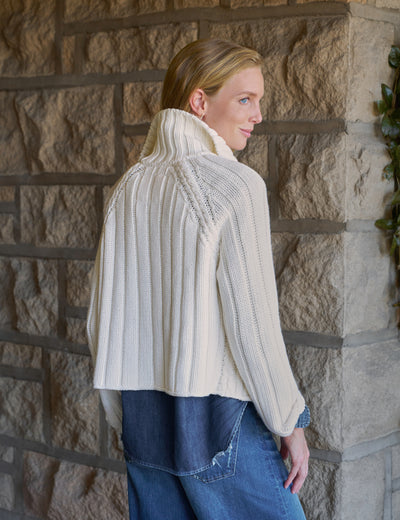
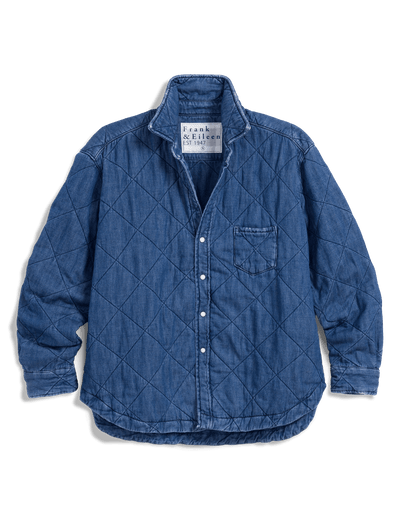
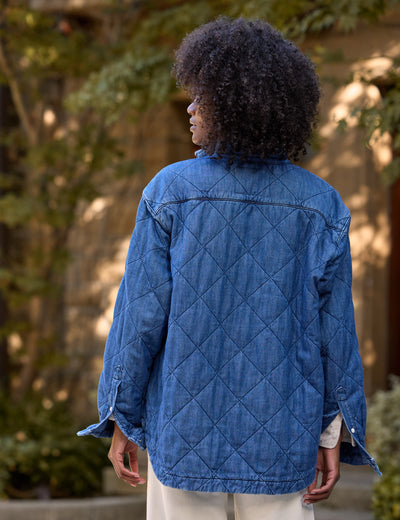
ELLEN: Absolutely. I’ve reached a stage in life where comfort is non-negotiable. I spent years running from meetings to restaurants to kids’ activities, and these days I want clothes that work with my life, not the other way around. I gravitate toward timeless pieces that are comfortable, versatile, and effortlessly chic. I love clothing that can be dressed up or down depending on where the day takes me, from meeting with founders and board meetings to grabbing coffee or spending time with family. Function matters. But so does feeling confident and put together. My style is very California casual: relaxed, understated, and easy. I’ve learned that when you have pieces you love and feel great in, getting dressed becomes simple. The less energy I spend thinking about what to wear, the more energy I can spend on the people and work that matter most.
ELLEN: Absolutely. I’ve reached a stage in life where comfort is non-negotiable. I spent years running from meetings to restaurants to kids’ activities, and these days I want clothes that work with my life, not the other way around. I gravitate toward timeless pieces that are comfortable, versatile, and effortlessly chic. I love clothing that can be dressed up or down depending on where the day takes me, from meeting with founders and board meetings to grabbing coffee or spending time with family. Function matters. But so does feeling confident and put together. My style is very California casual: relaxed, understated, and easy. I’ve learned that when you have pieces you love and feel great in, getting dressed becomes simple. The less energy I spend thinking about what to wear, the more energy I can spend on the people and work that matter most.


F&E: What’s your “stone in the hand?” In other words, what keeps you grounded and helps you never give up? Is it an object, a memory, a person, a word of advice?
ELLEN: For me, it’s my family’s immigrant story.
I came to the United States from Taiwan when I was a young child, and my parents had the courage to leave behind everything familiar in search of a better life for our family. They faced challenges constantly: language barriers, financial uncertainty, cultural differences, and yet giving up was never an option. They simply figured it out because they had to.
That experience shaped how I approach life and entrepreneurship. Whenever I’m facing something difficult, I think about what my parents endured and the sacrifices they made. It gives me perspective and reminds me that most obstacles are temporary.
One of the beliefs that has guided me throughout my life is: where there’s a will, there’s a way. It doesn’t mean the path is easy or that things always work out exactly as planned. It means that resilience, resourcefulness, and determination matter more than having all the answers.
My immigrant story is the stone I carry with me. It’s a constant reminder of where I came from, the opportunities I’ve been given, and the responsibility I have to make the most of them.
F&E: What does it mean to you to be part of this community of founders in this September Issue, committed to using your experience to pay it forward to the next generation of women entrepreneurs?
ELLEN: Being part of this community is incredibly meaningful to me because I know what it’s like to build without a roadmap.
When we were growing Mendocino Farms, there were very few female founders in the restaurant industry. There were even fewer women who looked like me. I often found myself in rooms where I was the only woman at the table, trying to navigate challenges without a strong community of peers who truly understood what I was experiencing.
While there were certainly people who supported me along the way, I remember wishing there were more examples of women founders who had gone before me, women I could learn from, relate to, and be inspired by.
That’s why paying it forward has become such an important part of this chapter of my life. I believe deeply in creating community, opening doors, and helping other women see what’s possible for themselves. The saying “you need to see it to be it” has always resonated with me. Representation matters. When women can see founders who look like them building businesses, creating jobs, and leading with purpose, it expands their vision of what they can achieve.
To be included in this September Issue alongside other women founders is an honor because it celebrates not just our businesses but our journeys. If sharing my story helps even one woman feel more confident taking a chance on herself, then it’s worth it. That’s how we build the next generation of women entrepreneurs: by making sure they know they’re not doing it alone.
Discover More


